
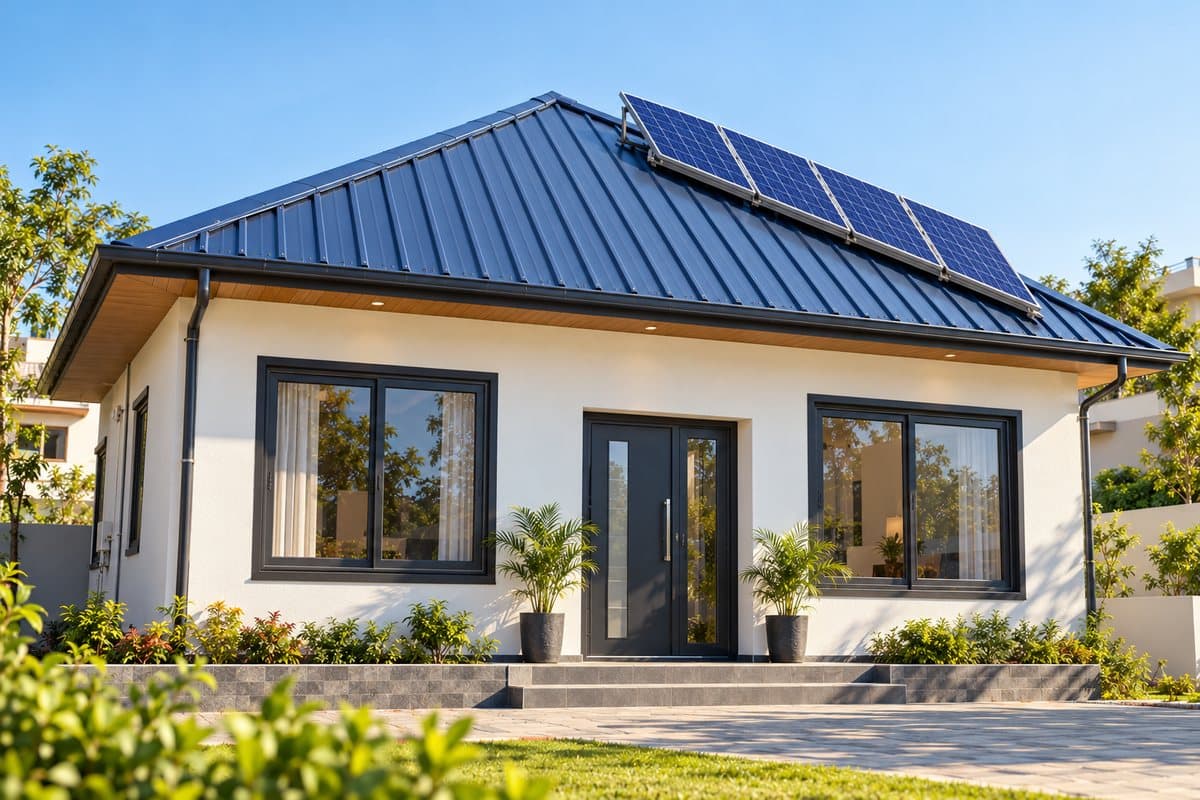
Replacing old wooden or MS-grill windows usually comes down to two options: uPVC or aluminium. Both are durable and rust-free, but they behave very differently in a hot, dusty, rainy climate like Vidarbha's.
Heat and energy
uPVC is a poor conductor of heat, and multi-chamber profiles trap air inside the frame. Aluminium conducts heat readily unless it has an expensive thermal break. In air-conditioned rooms and west-facing walls, uPVC frames keep the room noticeably cooler.
Noise
Sound comes in through gaps and through the glass. uPVC casement and tilt & turn windows use compression gaskets on all sides, and with double or laminated glass they cut road and traffic noise substantially. Standard aluminium sliding windows leak more sound around the sashes.
Maintenance and life
- uPVC never needs painting and does not corrode or rot.
- Good uPVC windows have galvanised steel reinforcement inside the profile for stiffness — ask for it.
- Aluminium is also low-maintenance, but powder coat can chalk and scratch over time.
Cost
For typical residential sizes, uPVC and good-quality aluminium are close in price. Very large spans and ultra-slim frames favour aluminium; insulation and sealing favour uPVC.
| Factor | uPVC | Aluminium |
|---|---|---|
| Heat insulation | Excellent | Poor (unless thermally broken) |
| Sound insulation | Very good | Moderate |
| Maintenance | Very low | Low |
| Slim sightlines | Moderate | Excellent |
| Best for | Homes, apartments, AC rooms | Very large spans, shopfronts |
Our recommendation
For bedrooms, living rooms and apartments, uPVC with steel reinforcement and double glazing gives the best comfort for the money. Book a free site visit and we will recommend window types room by room.